
How to Prepare Your Business for El Nino Rains


Kenya is expected to experience above-average El Nino rainfall across most regions during the October–December 2026 rain season.
With the rains expected to affect different parts of Kenya, as a business owner, you need to think ways to keep the business running even when heavy rain affects stock, customers, transport, electricity and daily operations.
From protecting your stock and equipment from water damage to managing cash flow, preparing for delivery delays and keeping customers updated, there are several simple steps you can take before the rains become intense.
You also need to know what is happening in your area, keep important business records safe and follow reliable weather updates so you can make decisions early.
Here are practical ways to prepare your business for El Nino rains and keep your hustle running through the rainy season.
Follow Reliable Weather Updates
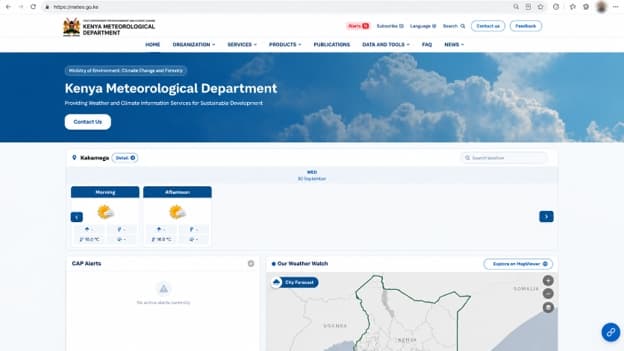
Don't rely on every message saying “El Niño inakuja” on WhatsApp groups.
Kenya Meteorological Depart... provides official seasonal forecasts, weather updates and other information that can help businesses plan according to their location.
Check the forecast for your county and use that information when planning stock, deliveries and business operations.
Forecast ikisema mvua kubwa, chukua action mapema.
Secure your stock, adjust deliveries and communicate with customers before the situation becomes difficult.
Protect Your Stock Before Mvua Ianze
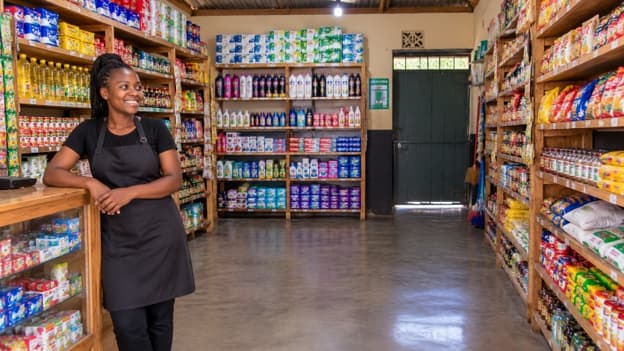
The first thing to check is your stock.
Kama unauza clothes, shoes, electronics, food, cosmetics or other products that can get damaged by water, don't wait for the first serious downpour ndio uanze kupanga.
Move products away from the floor and use shelves, pallets or raised storage where possible. Keep sensitive products in waterproof packaging and check whether your roof, doors and windows can keep water outside.
If you operate a kiosk, market stall or outdoor business, inspect the structure early.
“Nimeanza kupanga stock.” Benjamin says.
Usingoje maji iingie kwa shop ndio uanze kutafuta solution.
A few hours spent preparing can save you thousands of shillings in damaged stock.
Know What Happens Around Your Business When It Rains
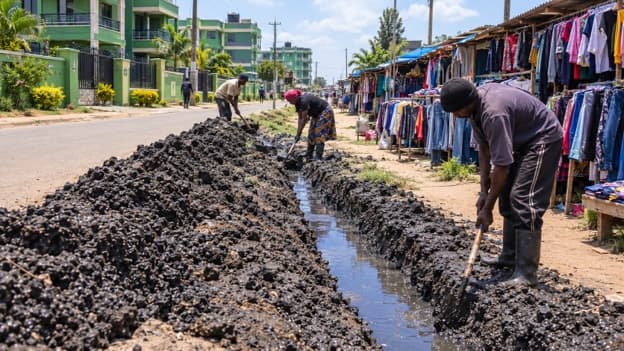
Take a walk around your business location and remember what happens during heavy rain.
Maji huenda wapi? Road inaflood? Customers bado wanaweza kufika? Drainage iko sawa?
There is a place where water normally collects?
These small observations can help you identify problems before they become emergencies.
If your shop or business is in an area that floods easily, have a plan for moving your stock and equipment to a safer place. Jua escape plan yako mapema.
“Wale wa kuuzia nje mjipange. Mnunue chandarua!” Stan Wekesa advises.
Kama uko kwa biz ya bodaboda, unaweza buy a new umbrella ku-protest customers wako from the rain.
Don't wait until water is already inside the premises when everyone is trying to figure out what to do.
Keep Customers Updated
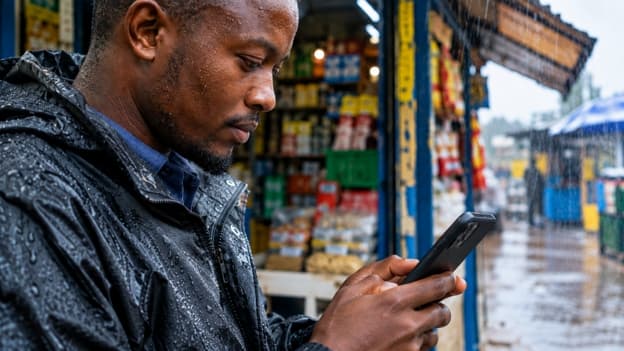
During the rainy season, communication becomes even more important.
If your opening hours change, deliveries are delayed or your business temporarily moves, tell customers early.
Use WhatsApp Status, SMS and social media to keep them informed.
You can also turn the weather into a marketing opportunity.
For example: “Mvua iko? We deliver within the estate.”
Simple message, clear offer. Customers should know that even when the weather changes, biashara bado iko on.
Prepare for Customers Who Can't Reach You

Heavy rain can reduce foot traffic.
Customer ambaye kawaida huingia shop yako anaweza kuamua kukaa kwake until the rain stops. That doesn't mean the sale has to disappear.
Make it possible for customers to order through WhatsApp, phone calls and social media.
Post your products on WhatsApp Status, Facebook, TikTok or Instagram and make ordering simple.
Customer hawezi kuja kwako? Leta biashara kwake.
You can offer delivery, take mobile payments and keep communicating with customers online.
For many small businesses, a smartphone can become a second shop during the rainy season.
Prepare for Power and Internet Problems
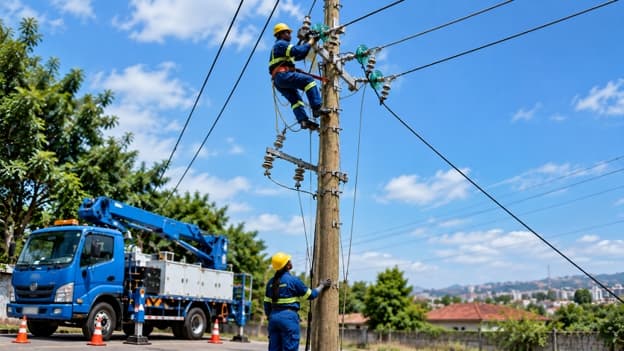
Some businesses cannot operate without electricity or internet.
If your hustle depends on charging phones, refrigeration, computers, POS systems or online orders, think about what happens if power goes off.
You could keep a charged power bank, backup lighting or mobile data depending on your needs.
Plan for the problems ambazo zinaweza stop your business completely.
You don't need an expensive backup system. Start with the basics that your business actually needs. Cheki power and maintenance updates za area uko kwa official pages za Kenya Power.
Back Up Your Business Records

Don't only protect physical stock.
Your business records are also valuable.
Keep important receipts, customer contacts, stock information and financial records backed up digitally where possible.
Physical documents should be stored somewhere dry and raised from the floor.
Usipoteze records juu ya maji.
If something happens to your premises, having your important information backed up can make recovery much easier.
Keep Electronics Away From Water
For businesses that depend on phones, laptops, printers, fridges, machines or other electrical equipment, water damage can be expensive.
Make sure your electronics are raised from the floor and protected from leaking roofs or windows.
Kama unatumia extension cables ama electrical equipment, don't operate them in wet or flooded areas. Safety comes first.
“Nmefungua mfereji hapa kwa shop yangu ju I see danger.” Joshua Wanyonyi who operates a Cyber Services business in Bungoma shares.
If electrical repairs are needed, use a qualified professional instead of trying to fix dangerous problems yourself.
Equipment ni investment yako, so protect it.
Plan for Delivery Delays
If you offer delivery, remember that mvua inaweza change everything.
Traffic can become heavier, some roads may be difficult to use and boda riders may take longer to reach customers.
Don't promise immediate delivery if the weather makes that unrealistic.
Give customers a realistic delivery time and communicate early if there is a delay.
Usimwache customer akingoja bila update.
“Mimi ni mwavuli nimenunua.” Lucas says, to make his movements possible.
If you work with boda boda riders, consider having more than one delivery option where possible. And if conditions become dangerous, don't risk someone's safety just to complete an order.
Don't Buy Too Much Stock Because of El Nino
The rainy season can create demand for umbrellas, raincoats, gumboots, waterproof bags and other products.
Lakini hiyo haimaanishi uende ukanunue stock ya KES 100,000 overnight.
First test the market. Post the products. Ask customers what they need. Take a few orders and see what moves.
Then restock according to demand.Usifunge pesa yote kwa stock haimove.
Your cash flow is important, especially during a season when business conditions can change quickly.
Keep Emergency Money Aside
Rain can bring unexpected expenses.
Maybe roof imeanza ku-leak. Maybe you need to move your stock. Maybe transport costs have increased. Maybe equipment has been damaged.
That's why having some emergency cash can help. You don't need a huge amount.
“Kama mvua itakua kubwa I will move location.” Ally Keymoni says.
Even setting aside part of your profits can give your business breathing space when things don't go according to plan.
Usimalize every shilling kwa stock.
Leave something for emergencies, repairs and unexpected business costs.
How will el nino rains affect your area?
The Western and Lake Victoria region is likely to receive wetter-than-normal conditions, while the Rift Valley is also expected to see increased rainfall.
Central Kenya and Nairobi are forecast to receive above-average rains mainly from October, while the South Eastern region may experience increased rainfall from late October.
The Coastal region is also expected to receive above-average rainfall, alongside warmer-than-normal temperatures.
In North Eastern Kenya, above-average rains are expected mainly from October, while Northern Kenya, Turkana and Samburu may receive near-average to above-average rainfall, although distribution could be uneven.
Most parts of Kenya zinatarajiwa ku-get mvua as the short rains season kicks in.
The rains could improve water availability, pasture and agricultural production, especially in areas that have recently experienced dry conditions.
However, heavy and prolonged rains zinaweza kuleta flooding, landslides, crop damage, livestock losses, road disruption, infrastructure damage and displacement, particularly in flood-prone and low-lying areas.
Get Your Business Ready Before the Rain
The best time to prepare your business for El Niño rains is before the heavy rain starts.
Protect your stock, check your premises, plan for delivery delays, keep emergency cash and back up your records.
Most importantly, understand what is happening in your specific area. Rainfall is not the same everywhere in Kenya, so your preparation should match your location and customers.
Mvua inaweza disrupt biashara, but preparation can reduce the damage.
And sometimes, the same rain that creates a challenge for one hustler can create an opportunity for another.
Jipange mapema, protect your hustle, and be ready when the rains come.